


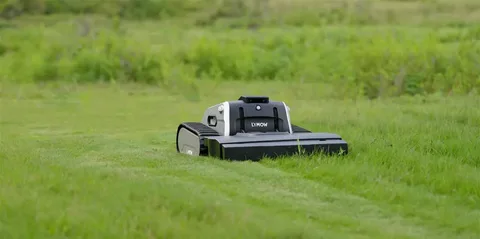
Maintaining a large lawn can be a challenging and time-consuming task, especially when using a traditional push or ride-on mower. Fortunately, robotic mowing technology has advanced significantly, offering homeowners a convenient and efficient way to keep their grass perfectly trimmed. Choosing the right robot lawn mower for large lawns: Comparing Performance, Battery Life, and Coverage is essential because these three factors determine how well the mower handles expansive outdoor spaces.
In this guide, we’ll explore the key features that matter most when selecting a robotic lawn mower for large properties and explain how performance, battery life, and coverage impact your mowing experience.
Why Large Lawns Need Specialized Robot Lawn Mowers
Not every robotic mower is built to manage large properties. Smaller models are designed for compact yards and may struggle with extended mowing sessions, uneven terrain, or multiple lawn zones.
A Robot Lawn Mower for Large Lawns: Comparing Performance, Battery Life, and Coverage helps homeowners understand which models are equipped with stronger motors, larger batteries, and smarter navigation systems for efficient lawn maintenance.
Performance: The Key to Efficient Mowing
Powerful Motors
High-performance robotic lawn mowers feature powerful brushless motors that provide consistent cutting, even through thick or damp grass. These motors are energy-efficient and require less maintenance than traditional brushed motors.
Smart Navigation
Modern robotic mowers use GPS, AI-assisted mapping, cameras, or RTK technology to create optimized mowing paths. Instead of moving randomly, they cover the lawn systematically, reducing mowing time while ensuring even grass cutting.
Terrain Handling
Large lawns often include slopes, uneven ground, and obstacles like trees or flower beds. Premium robotic mowers can climb slopes of up to 45–70% depending on the model while maintaining excellent cutting performance.
Battery Life: Longer Runtime Means Greater Efficiency
Battery capacity directly affects how much grass the mower can cut before returning to its charging station.
Runtime
Most robotic mowers for large lawns offer:
- 90–240 minutes of continuous mowing
- Automatic return-to-charge functionality
- Resume mowing after recharging
Longer runtimes reduce interruptions and improve efficiency for larger properties.
Fast Charging
Many premium models recharge in just 60–120 minutes, allowing them to complete large mowing schedules without excessive downtime.
Battery Technology
Lithium-ion batteries dominate the market because they provide:
- Longer lifespan
- Faster charging
- Better energy efficiency
- Consistent performance over multiple seasons
Coverage Capacity
Coverage refers to the maximum lawn area a robotic mower can maintain effectively.
Typical coverage capacities include:
| Lawn Size | Recommended Coverage |
| Small | Up to 500 m² |
| Medium | 500–1,500 m² |
| Large | 1,500–4,000 m² |
| Extra Large | 4,000–10,000+ m² |
Selecting a mower with adequate coverage ensures the entire lawn is maintained without overworking the machine.
Navigation Technologies That Improve Coverage
GPS-Assisted Mapping
GPS allows the mower to remember previously mowed areas and avoid unnecessary overlap.
RTK Navigation
RTK (Real-Time Kinematic) technology offers highly accurate positioning, making it ideal for large open lawns that require precise mowing patterns.
Vision-Based Navigation
Some advanced models use cameras and artificial intelligence to detect obstacles and navigate without perimeter wires.
Cutting Width and Adjustable Height
Larger cutting decks help cover more ground in less time.
Important features include:
- Wide cutting width (22–35 cm)
- Adjustable cutting height
- Multiple cutting zones
- Edge mowing capabilities
These features contribute to cleaner and more consistent lawn maintenance.
Smart Connectivity Features
Today’s robotic lawn mowers can be controlled remotely using smartphone apps.
Common smart features include:
- Wi-Fi and Bluetooth connectivity
- GPS tracking
- Weather scheduling
- Multi-zone programming
- Theft protection
- Voice assistant compatibility
These features make lawn care more convenient and customizable.
Weather Resistance
Large lawns require consistent maintenance throughout the mowing season. High-quality robotic mowers feature weather-resistant designs that can operate in light rain and varying outdoor conditions.
Many models also pause mowing during heavy rainfall and resume automatically when conditions improve.
Maintenance Requirements
Robotic lawn mowers are generally low-maintenance compared to traditional gas-powered mowers.
Regular maintenance includes:
- Cleaning grass clippings from the blades
- Inspecting wheels for debris
- Replacing blades every few months
- Updating firmware when available
- Checking battery health annually
Routine maintenance helps maximize efficiency and extend the mower’s lifespan.
Factors to Consider Before Buying
When comparing robotic lawn mowers, evaluate:
- Maximum lawn coverage
- Battery runtime
- Charging speed
- Navigation technology
- Slope capability
- Cutting width
- Smart app functionality
- Noise level
- Safety sensors
- Warranty and customer support
Choosing a mower that matches your lawn’s size and complexity ensures optimal performance throughout the year.
Conclusion
Finding the right Robot Lawn Mower for Large Lawns: Comparing Performance, Battery Life, and Coverage requires balancing efficiency, runtime, and mowing capacity. Modern robotic mowers offer intelligent navigation, long-lasting batteries, and impressive coverage, making them an excellent investment for homeowners with expansive lawns.
By carefully evaluating these key factors, you can confidently choose a Robot Lawn Mower for Large Lawns: Comparing Performance, Battery Life, and Coverage that delivers reliable results with minimal effort. As robotic mowing technology continues to evolve, these smart machines are becoming an increasingly practical solution for maintaining beautiful, healthy lawns all season long.
