


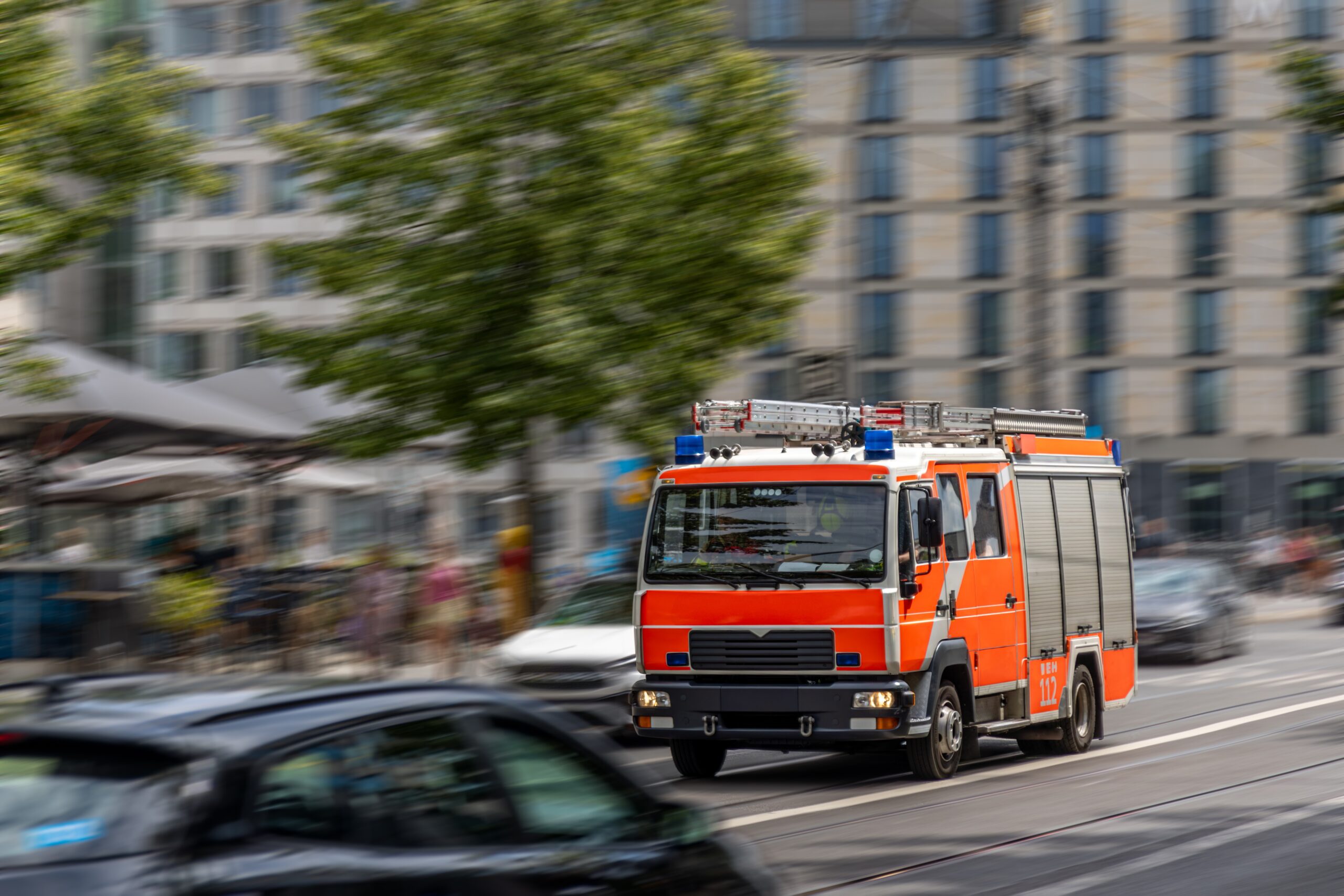
Wildfires are becoming more frequent, intense, and unpredictable, placing greater demands on firefighting resources. As departments adapt to these evolving challenges, equipment selection plays a critical role in operational success. Among the most versatile and widely used apparatus in wildland firefighting is the Type 6 wildland engine. Compact, agile, and highly functional, these engines have become indispensable tools for modern fire crews working in diverse and demanding environments.
In this blog post, we’ll explore why Type 6 wildland engines are crucial for modern firefighting. Read on!
Enhancing Access to Remote and Rugged Terrain
One of the most significant advantages of Type 6 wildland engines is their ability to reach areas that larger apparatus simply cannot access. Built on a lightweight chassis with off-road capabilities, these engines can navigate narrow trails, steep inclines, and uneven terrain with ease. This accessibility allows firefighters to engage wildfires earlier, often before they grow out of control. In remote or densely wooded areas, where time and proximity are critical, Type 6 engines provide a direct line of defense that supports faster containment efforts and reduces overall fire spread.
Supporting Rapid Response and Initial Attack
Speed is a decisive factor in wildfire suppression, and Type 6 wildland engines are designed with rapid response in mind. Their smaller size enables quicker deployment, allowing crews to arrive at the scene promptly and begin suppression activities immediately. These engines are typically equipped with essential firefighting tools, including pumps, hoses, and water tanks sufficient for initial attack operations. By controlling fires during their early stages, Type 6 engines help prevent small ignitions from escalating into large-scale incidents that require extensive resources.
Improving Maneuverability in Complex Environments
Wildland firefighting often involves working in unpredictable and hazardous conditions, where maneuverability can make a significant difference in both effectiveness and safety. Type 6 engines are engineered to operate efficiently in tight or obstructed spaces, such as urban-wildland interface zones or heavily forested regions. Their compact design allows operators to reposition quickly, adapt to changing fire behavior, and maintain safe escape routes. This flexibility not only enhances operational efficiency but also contributes to the overall safety of firefighting personnel.
Enhancing Versatility Across Firefighting Operations
Modern firefighting requires equipment that can adapt to a wide range of situations, and Type 6 engines excel in this regard. In addition to wildland fire suppression, they are often used in prescribed burns, fire prevention patrols, and emergency response in hard-to-reach areas. Their ability to operate effectively in both rural and suburban settings makes them particularly valuable in regions where the wildland-urban interface continues to expand. This adaptability ensures that departments can rely on a single piece of equipment for multiple mission-critical tasks.
Strengthening Safety and Crew Effectiveness
Safety remains a top priority in firefighting, and the Type 6 wildland engine contributes to safer operations in several ways. Their design supports better visibility, easier handling, and improved communication among crew members. With the ability to position closer to the fire line while maintaining mobility, firefighters can work more effectively without exposing themselves to unnecessary risks. The combination of accessibility, maneuverability, and rapid deployment helps crews maintain control over dynamic situations, ultimately improving outcomes and minimizing hazards.
In an era where wildfires are growing more complex and demanding, having the right equipment can make all the difference. Type 6 wildland engines offer the agility, speed, and versatility that modern firefighting requires, helping crews respond quickly and operate effectively in challenging environments. Their ability to support early intervention, improve access, and enhance overall safety makes them a valuable asset for departments of all sizes. As fire agencies continue to adapt to changing conditions, Type 6 engines will remain a dependable and practical solution for protecting both people and landscapes.
