


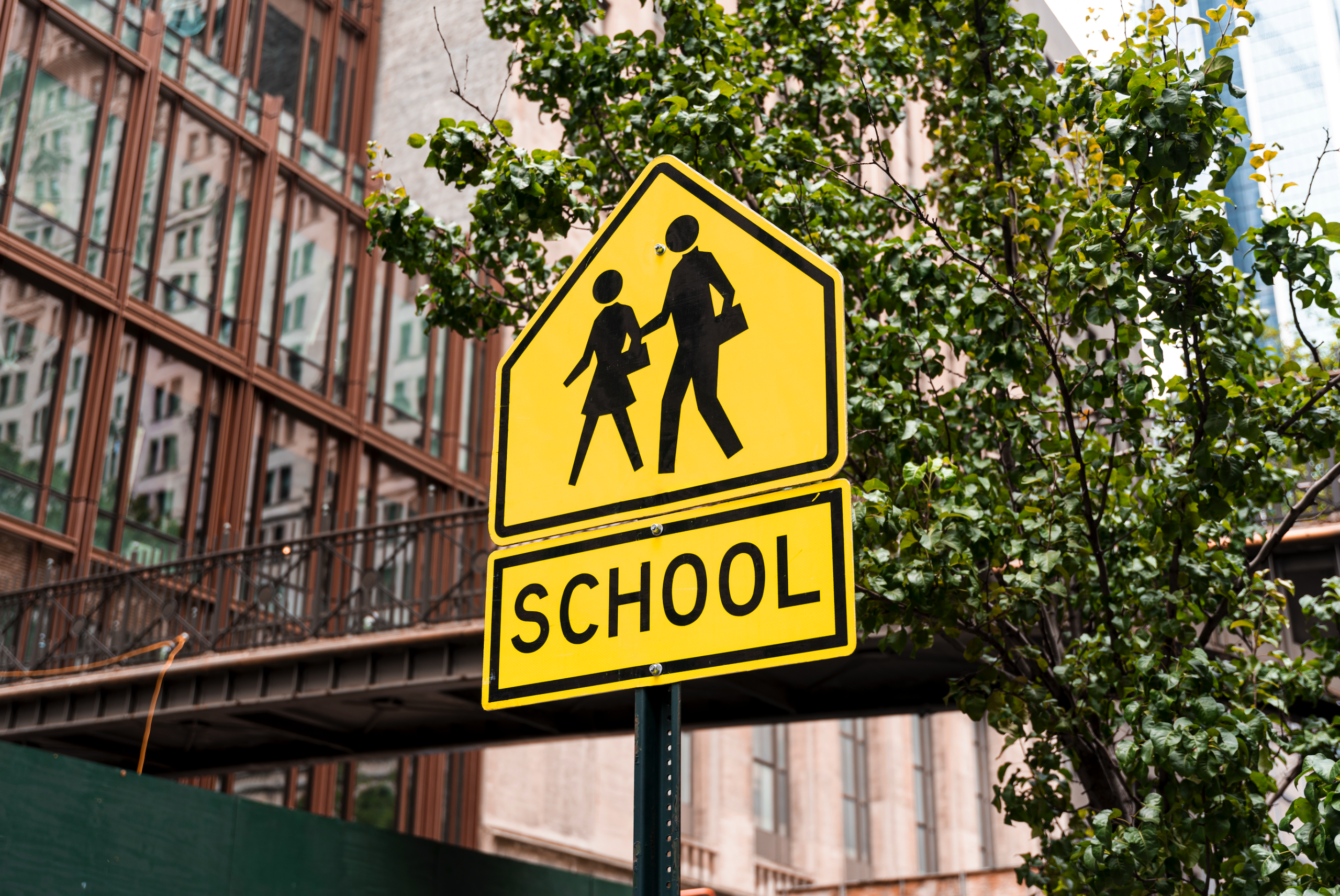
School environments are busy, dynamic spaces where students, staff, and visitors interact throughout the day. With so much activity happening at once, clear communication becomes critical to maintaining order and safety. One of the simplest yet most effective tools for guiding behavior and preventing accidents is the use of school signs. From directing traffic to reinforcing safety rules, these visual cues play a vital role in creating a secure and well-organized learning environment.
Below, we’ll explore why school signs are crucial for student safety and awareness. Read on!
Reinforcing Rules and Expectations
Consistent reminders of school rules are essential for maintaining discipline and encouraging responsible behavior. School signs serve as constant visual reinforcements of these expectations, helping students understand what is required of them in different areas of the campus. Signs such as “No Running,” “Keep Right,” or “Quiet Zone” guide behavior without the need for constant verbal reminders from staff.
By displaying these rules prominently, schools create a shared understanding of acceptable conduct. Over time, students internalize these expectations, leading to a more respectful and orderly environment. This not only improves safety but also fosters a culture of accountability among students.
Promoting Safe Movement Around Campus
School signs, like those available at Signs & Safety Devices, help regulate the flow of both pedestrian and vehicle traffic, reducing the likelihood of accidents. Clearly marked crosswalks, speed limit signs, and designated pick-up and drop-off zones provide structure during busy times such as morning arrivals and afternoon dismissals. Without these visual indicators, confusion can easily arise, putting students at risk.
In addition to outdoor traffic management, indoor signs also contribute to safe movement. Hallway markers, directional arrows, and stairwell signs help students navigate the campus efficiently while minimizing congestion. This organized flow is especially important during emergencies when quick and orderly evacuation is required.
Enhancing Emergency Preparedness and Response
In emergency situations, clear and visible signage can make a significant difference in how effectively people respond. School signs that indicate emergency exits, evacuation routes, and assembly points provide critical guidance during high-stress situations. When students and staff are familiar with these signs, they can act quickly and confidently, reducing panic and confusion.
Additionally, signs that highlight the locations of fire extinguishers, first aid kits, and emergency contact information ensure that help is easily accessible when needed. These visual cues support emergency preparedness plans and contribute to faster, more coordinated responses.
Increasing Awareness of Potential Hazards
School campuses often contain areas that require extra caution, such as science laboratories, maintenance zones, or wet floors after cleaning. Warning signs help alert students and staff to these potential hazards, allowing them to take appropriate precautions. Without these warnings, individuals may unknowingly enter risky areas and increase their chances of injury.
Temporary signs also play a crucial role in addressing short-term risks. For example, signs indicating construction work or slippery surfaces can be quickly deployed to prevent accidents. By keeping everyone informed, schools can proactively reduce hazards and maintain a safer environment.
Supporting Inclusivity and Accessibility
Effective school signage also takes into account the diverse needs of students, including those with disabilities. Signs that include clear symbols, large fonts, and accessible placement ensure that information is easily understood by everyone. This is particularly important for students with visual, cognitive, or language challenges.
Accessible signage helps all students navigate the campus independently and confidently. It also reflects a school’s commitment to inclusivity by ensuring that safety information is available to everyone, regardless of their abilities.
In a setting where the well-being of students is a top priority, school signs prove to be indispensable. They guide movement, reinforce expectations, support emergency preparedness, highlight hazards, promote inclusivity, and enhance communication. By investing in effective and well-placed signage, schools can create safer environments where students can focus on learning with confidence and peace of mind.
