


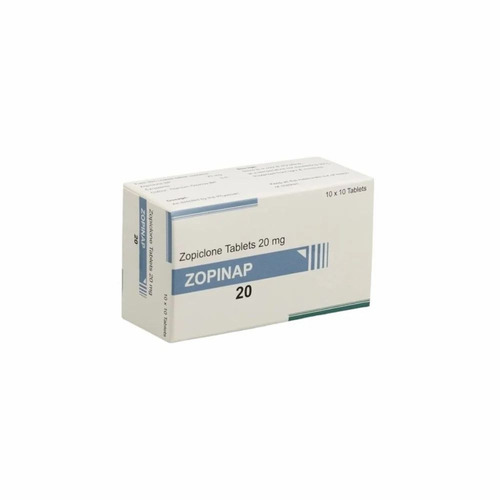
Zopiclone is a prescription-only sedative-hypnotic medication commonly used for short-term treatment of insomnia. Although it is medically legitimate when prescribed, its legal status becomes highly restrictive when obtained, possessed, or imported without authorization.
In many countries, importing Zopiclone without a valid prescription is treated as a serious legal violation rather than a minor regulatory issue. This is especially relevant in the context of online purchases and fast-shipping offers often advertised as “zopiclone next day delivery”, which frequently operate outside legal pharmaceutical frameworks.
What is Zopiclone and Why It Is Controlled
Zopiclone belongs to a class of medicines known as “Z-drugs,” which act on the central nervous system to induce sleep. Because of its sedative properties and potential for dependence, it is tightly regulated under prescription laws in most jurisdictions.
In regulated systems like Pakistan, controlled medicines and psychotropic substances fall under strict legal frameworks, including the Drugs Act 1976, DRAP Act 2012, and the Control of Narcotic Substances Act 1997, which regulate import, export, sale, and distribution of such medicines under licensing and authorization systems .
Even when a substance is medically legal, it does not mean it is freely importable without regulatory approval.
Importing Prescription Medicines Without Authorization
Importing prescription-only medicines like Zopiclone without a valid prescription or import permit is generally treated as unlawful in most legal systems.
Key legal principles typically include:
- Medicines classified as prescription-only cannot be legally imported for personal use without authorization.
- Controlled or psychotropic medicines require additional permits beyond a standard prescription.
- Unauthorized importation can trigger customs seizure and criminal investigation.
In structured drug-control regimes, importation of controlled or psychotropic substances is only permitted under licensing conditions and official authorization channels .
Legal Consequences of Illegal Importation
1. Customs Seizure of the Medicine
The most immediate consequence is confiscation at the border. Packages ordered online—especially those advertised as “zopiclone next day delivery”—are frequently intercepted by customs authorities.
Once seized, the shipment is destroyed or retained as evidence, depending on local enforcement procedures.
2. Criminal Liability Under Drug Laws
If authorities determine intent to import a controlled or prescription medicine illegally, legal consequences may escalate beyond seizure.
In jurisdictions with strict drug laws:
- Importing or possessing unlicensed drugs can result in fines and imprisonment under pharmaceutical and narcotics legislation.
- If classified as a psychotropic or controlled substance, penalties can include significant custodial sentences.
For example, drug regulatory frameworks in Pakistan impose severe penalties for importing or selling unregistered or unlicensed drugs, including imprisonment that can extend up to several years depending on severity .
3. Investigation for Supply or Distribution Intent
Even if the buyer intended personal use, bulk orders or repeated imports may trigger suspicion of distribution.
Authorities may investigate:
- Online ordering history
- Quantity of imported medicine
- Communication with suppliers
- Payment channels used
If intent to distribute is inferred, penalties become significantly harsher under narcotics or controlled substances legislation.
4. Financial and Legal Exposure
Additional consequences may include:
- Loss of money paid to illegal suppliers
- Blacklisting of shipping addresses or customs records
- Potential banking or payment platform scrutiny
- Criminal record implications (in serious cases)
The Risk Behind “Zopiclone Next Day Delivery” Offers
Online listings promising fast or next-day delivery of Zopiclone without prescription are typically associated with illegal or unregulated pharmaceutical distribution channels.
These pose several risks:
1. Counterfeit Medicines
Products may contain incorrect dosages, no active ingredient, or harmful substitutes.
2. No Medical Oversight
Zopiclone requires medical evaluation due to risks such as:
- Dependency
- Respiratory depression when mixed with other sedatives
- Masking of underlying sleep disorders
3. Legal Exposure for the Buyer
Even if marketed as “discreet” or “fast delivery,” legal systems generally do not recognize ignorance of prescription requirements as a defense.
International Legal Perspective
While laws differ slightly by country, a consistent global pattern exists:
- Zopiclone is prescription-only everywhere it is regulated.
- Import without prescription is either illegal or tightly restricted.
- Online pharmacies must be licensed to operate legally.
Even in jurisdictions with lighter enforcement, customs authorities retain the right to seize prescription drugs shipped without documentation.
Why Enforcement Is Strict
Governments strictly regulate medicines like Zopiclone due to:
- High potential for misuse and dependence
- Risks of counterfeit drug circulation
- Public health concerns linked to unsupervised sedative use
- Need for controlled pharmaceutical supply chains
These factors justify strict import controls and enforcement actions.
Conclusion
Importing Zopiclone without a prescription is not a minor administrative issue—it is a regulated pharmaceutical offense that can lead to customs seizure, financial loss, and in some cases criminal liability.
Offers advertising “zopiclone next day delivery” without prescription requirements are almost always outside legal frameworks and expose users to both health and legal risks.
In short, Zopiclone is not just a medication—it is a controlled medical substance that must be accessed through lawful prescription channels to remain both safe and legal.
