


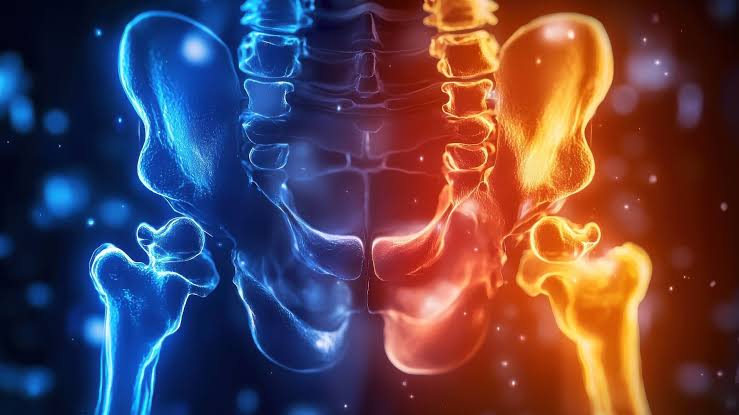
Pelvic organ prolapse (POP) is a common condition that affects millions of women worldwide, especially after childbirth, menopause, or pelvic surgery. It occurs when the muscles and connective tissues supporting the pelvic organs become weak, allowing the bladder, uterus, rectum, or other pelvic organs to descend into the vaginal canal. While surgery is an option for severe cases, many women achieve significant symptom relief through conservative treatment for pelvic organ prolapse. These non-surgical approaches focus on strengthening pelvic support, reducing symptoms, and improving quality of life without the risks associated with surgery.
This guide explains the most effective conservative management options, their benefits, and how they can help women maintain an active and comfortable lifestyle.
Understanding Pelvic Organ Prolapse
Pelvic organ prolapse develops when the pelvic floor muscles and ligaments can no longer adequately support the pelvic organs. The condition may range from mild to severe and can involve one or multiple organs.
Common symptoms include:
- A feeling of pressure or heaviness in the pelvis
- A bulge or lump in the vagina
- Urinary leakage or difficulty emptying the bladder
- Constipation or bowel movement difficulties
- Lower back discomfort
- Pain or discomfort during sexual intercourse
The severity of symptoms varies from person to person, making individualized treatment essential.
Why Choose Conservative Treatment?
For many women, surgery is not the first recommendation. Healthcare providers often suggest conservative treatment for pelvic organ prolapse before considering surgical intervention, particularly for mild to moderate prolapse.
Benefits include:
- No surgical risks
- Minimal recovery time
- Lower healthcare costs
- Preservation of future treatment options
- Safe for many women during pregnancy or postpartum recovery
- Can significantly improve symptoms and daily comfort
Pelvic Floor Muscle Training
Pelvic floor muscle exercises, commonly known as Kegel exercises, are among the most effective conservative therapies.
These exercises strengthen the muscles supporting the bladder, uterus, and bowel. Consistent practice can reduce prolapse symptoms, improve bladder control, and enhance pelvic stability.
For the best results:
- Perform exercises daily.
- Learn proper muscle contraction techniques.
- Work with a pelvic floor physiotherapist if needed.
- Continue exercises as part of a long-term routine.
Pelvic Floor Physical Therapy
Specialized pelvic floor physiotherapists provide personalized rehabilitation programs based on the individual’s condition.
Treatment may include:
- Muscle strengthening
- Relaxation techniques
- Core stabilization exercises
- Breathing coordination
- Posture correction
- Manual therapy
- Lifestyle education
Physical therapy addresses both symptom relief and prevention of further prolapse progression.
Vaginal Pessary Therapy
A vaginal pessary is a removable medical device inserted into the vagina to support prolapsed organs.
Pessaries are available in various shapes and sizes, allowing healthcare providers to select the most appropriate option for each patient.
Advantages include:
- Immediate symptom relief
- Avoidance of surgery
- Suitable for older adults
- Helpful during pregnancy
- Reversible and adjustable treatment
Regular follow-up appointments ensure proper fitting and vaginal health.
Lifestyle Modifications
Daily habits play an important role in managing pelvic organ prolapse.
Helpful lifestyle changes include:
- Maintaining a healthy body weight
- Preventing constipation
- Eating a fiber-rich diet
- Drinking adequate water
- Avoiding heavy lifting
- Quitting smoking
- Managing chronic coughing
- Exercising regularly without excessive strain
These changes reduce pressure on the pelvic floor and support long-term symptom control.
Weight Management
Excess body weight increases pressure inside the abdomen, placing additional strain on pelvic support structures.
Losing excess weight through healthy nutrition and regular physical activity can:
- Decrease prolapse symptoms
- Improve bladder function
- Enhance mobility
- Reduce pressure on pelvic tissues
- Improve overall health
Even modest weight loss may provide noticeable benefits.
Managing Constipation
Straining during bowel movements is a significant risk factor for worsening prolapse.
Prevent constipation by:
- Consuming plenty of fruits and vegetables
- Eating whole grains
- Staying hydrated
- Remaining physically active
- Responding promptly to the urge to have a bowel movement
Healthcare providers may recommend stool softeners when appropriate.
Safe Exercise for Pelvic Health
Exercise remains important, but certain activities may place excessive pressure on the pelvic floor.
Recommended activities include:
- Walking
- Swimming
- Yoga
- Pilates designed for pelvic health
- Gentle strength training
- Low-impact aerobics
Women should avoid exercises involving repetitive heavy lifting or high-impact jumping if these worsen symptoms.
Bladder Training
Many women with pelvic organ prolapse experience urinary urgency or leakage.
Bladder training techniques help improve bladder control by:
- Following scheduled bathroom visits
- Gradually increasing the time between urination
- Reducing bladder irritants such as excessive caffeine
- Learning urge suppression techniques
Combining bladder training with pelvic floor exercises often produces better results.
Hormonal Support
For postmenopausal women, reduced estrogen levels may contribute to thinning and weakening of vaginal tissues.
Healthcare providers may recommend localized estrogen therapy to:
- Improve vaginal tissue health
- Increase comfort
- Enhance pessary tolerance
- Reduce vaginal irritation
This treatment is typically used alongside other conservative therapies rather than as a standalone solution.
Daily Habits That Protect the Pelvic Floor
Simple everyday habits can make a meaningful difference.
Helpful practices include:
- Lifting objects with proper technique
- Avoiding prolonged standing when symptoms worsen
- Practicing good posture
- Engaging the core muscles during movement
- Taking breaks from strenuous physical activities
Consistency helps protect pelvic support over time.
Who Benefits Most from Conservative Treatment?
Conservative treatment for pelvic organ prolapse is often recommended for:
- Women with mild or moderate prolapse
- Individuals wishing to avoid surgery
- Women planning future pregnancies
- Older adults with medical conditions that increase surgical risk
- Postpartum mothers
- Women experiencing early prolapse symptoms
Each treatment plan should be tailored to the individual’s symptoms, lifestyle, and overall health.
When to Seek Medical Evaluation
Although conservative care is highly effective for many women, medical evaluation is important if symptoms worsen.
Seek professional advice if you experience:
- Severe pelvic pain
- Difficulty emptying the bladder
- Recurrent urinary tract infections
- Significant bleeding
- Rapidly worsening prolapse
- A prolapse that remains outside the vagina
Early assessment helps determine the most appropriate management strategy.
Conclusion
For many women, conservative treatment for pelvic organ prolapse offers an effective, safe, and practical way to manage symptoms while avoiding or delaying surgery. Pelvic floor muscle training, physical therapy, vaginal pessaries, healthy lifestyle habits, weight management, bladder training, and proper bowel care all contribute to improved pelvic support and better quality of life. With consistent treatment and guidance from qualified healthcare professionals, many women can successfully control symptoms, remain active, and maintain long-term pelvic health without surgical intervention.
