


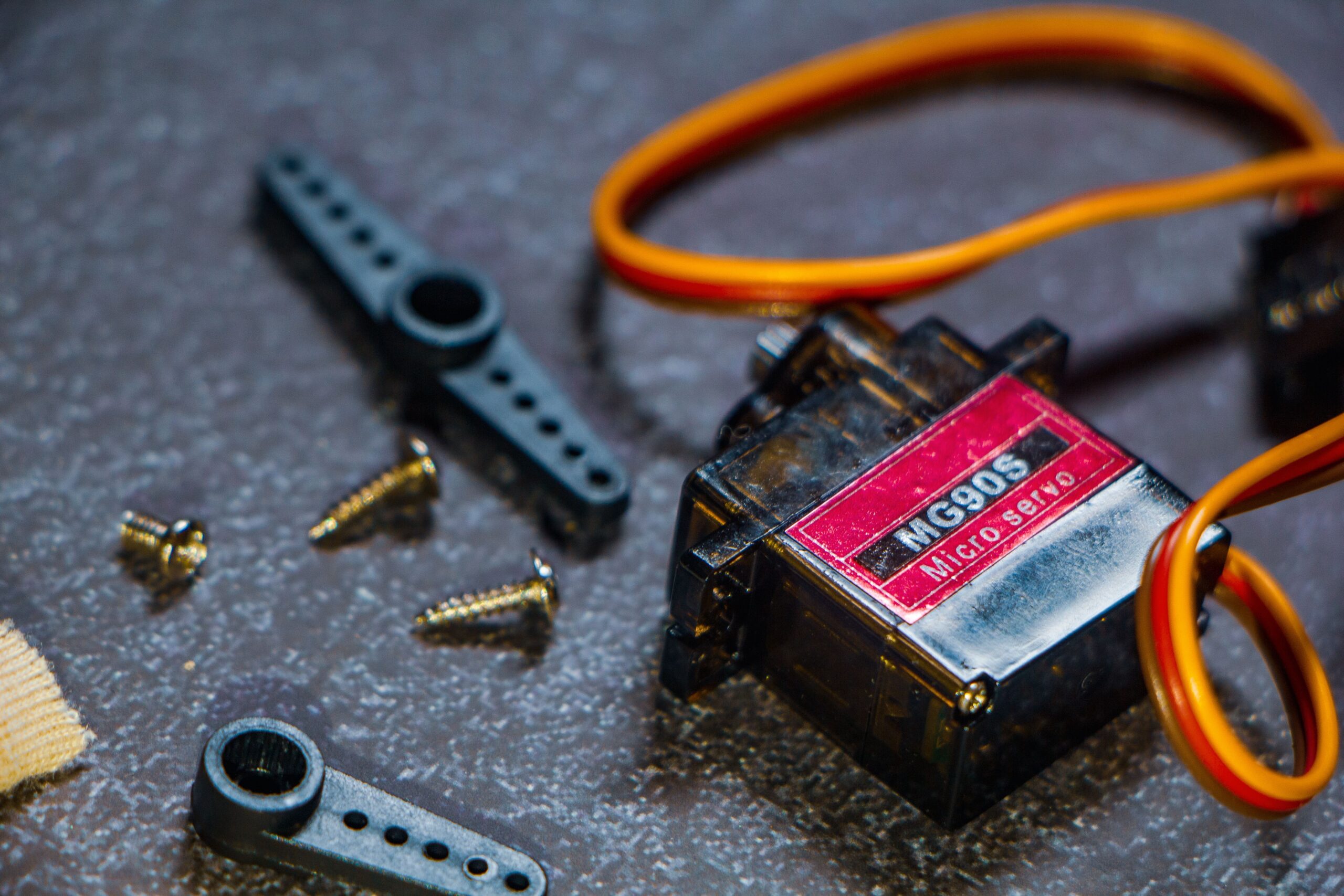
Education continues to evolve as schools seek new ways to engage students and prepare them for a changing world. Technology has become an important part of this transformation, helping teachers create learning experiences that are both interactive and meaningful. Among the many tools used in classrooms today, robotics has gained significant attention because it combines creativity, critical thinking, and practical application.
Students often learn best when they can actively participate in the learning process. Robotics introduces opportunities for hands-on exploration that go beyond traditional teaching methods.
By programming and testing robotic systems, learners can connect classroom concepts to real-world situations. This approach helps make lessons more engaging while encouraging curiosity and innovation.
Encouraging Hands-On Learning
One of the most valuable aspects of robotics in education is its ability to support hands-on learning. Students are not simply reading about scientific principles or mathematical concepts. Instead, they are applying those ideas while building and operating robotic systems.
This active participation helps learners better understand abstract concepts. When students can see the results of their decisions through physical actions and movements, lessons often become easier to remember. Hands-on experiences also make learning more enjoyable, which can encourage greater participation in classroom activities.
Developing Problem-Solving Skills
Problem-solving is a skill that benefits students throughout their academic and professional lives. Robotics projects frequently present challenges that require careful thought and creative solutions. Students may need to identify design flaws, correct programming errors, or find ways to improve performance.
As learners work through these challenges, they develop persistence and analytical thinking. Rather than viewing mistakes as failures, students begin to see them as opportunities to learn and improve.
This mindset can strengthen confidence while preparing learners to approach future challenges with greater resilience.
Strengthening STEM Education
Science, technology, engineering, and mathematics are often grouped because these subjects share important connections.
Robotics naturally supports STEM education by combining concepts from each area into a single learning experience.
Students may use mathematical calculations, scientific observations, engineering design principles, and computer programming skills while working on robotics projects. This integrated approach helps learners understand how different subjects interact in practical situations. As a result, STEM education often feels more relevant and engaging.
Building Programming Knowledge
Computer programming has become an increasingly valuable skill in many industries. Robotics provides an accessible way for students to learn coding concepts because they can immediately observe the effects of their programs.
When students write instructions for a robot, they gain a better understanding of logic, sequencing, and problem-solving. Watching a robot perform a task based on its code creates a strong connection between theory and practice.
This visual feedback often helps learners grasp programming concepts more effectively than text-based exercises alone.
Promoting Team Collaboration
Many robotics activities are designed to be completed in groups. Students work together to plan projects, divide responsibilities, test ideas, and solve problems. These collaborative experiences help learners develop communication and teamwork skills that are valuable in many areas of life.
Working with others also exposes students to different perspectives and approaches. Team members learn to listen, share ideas, and contribute toward common goals. Through collaboration, students gain experience in cooperative problem-solving while building relationships with their peers.
Inspiring Creativity and Innovation
Although robotics involves technical skills, it also encourages creativity. Students are often challenged to design solutions, build unique structures, and develop original approaches to specific tasks. This combination of creativity and technology makes robotics particularly appealing to many learners.
Educational programs that incorporate robotic products frequently encourage experimentation and innovation. Students may create robots that perform specific functions, navigate obstacles, or complete challenges. These activities allow learners to explore their imagination while developing practical skills that support future learning opportunities.
Encouraging Student Engagement
Student engagement remains one of the most important factors in successful learning. Robotics often captures attention because it combines movement, technology, and interactive challenges. Many students become excited about lessons when they can see robots respond to their commands and actions.
This increased engagement can lead to greater participation and enthusiasm in the classroom. Learners who may struggle with traditional instructional methods sometimes find robotics more accessible because it offers visual and practical experiences.
Engaged students are often more willing to ask questions, explore ideas, and take an active role in their education.
Supporting Future Learning Success
Robotics has become an important educational tool because it combines hands-on learning, creativity, teamwork, and technical knowledge.
Students who engage with robotics often develop skills that extend beyond the classroom, including problem-solving and communication.
As schools continue to embrace innovative teaching methods, robotics remains a valuable way to connect academic concepts with real-world applications. By encouraging active participation and meaningful exploration, robotics helps create educational experiences that prepare students for future opportunities while making learning more engaging and rewarding.
