


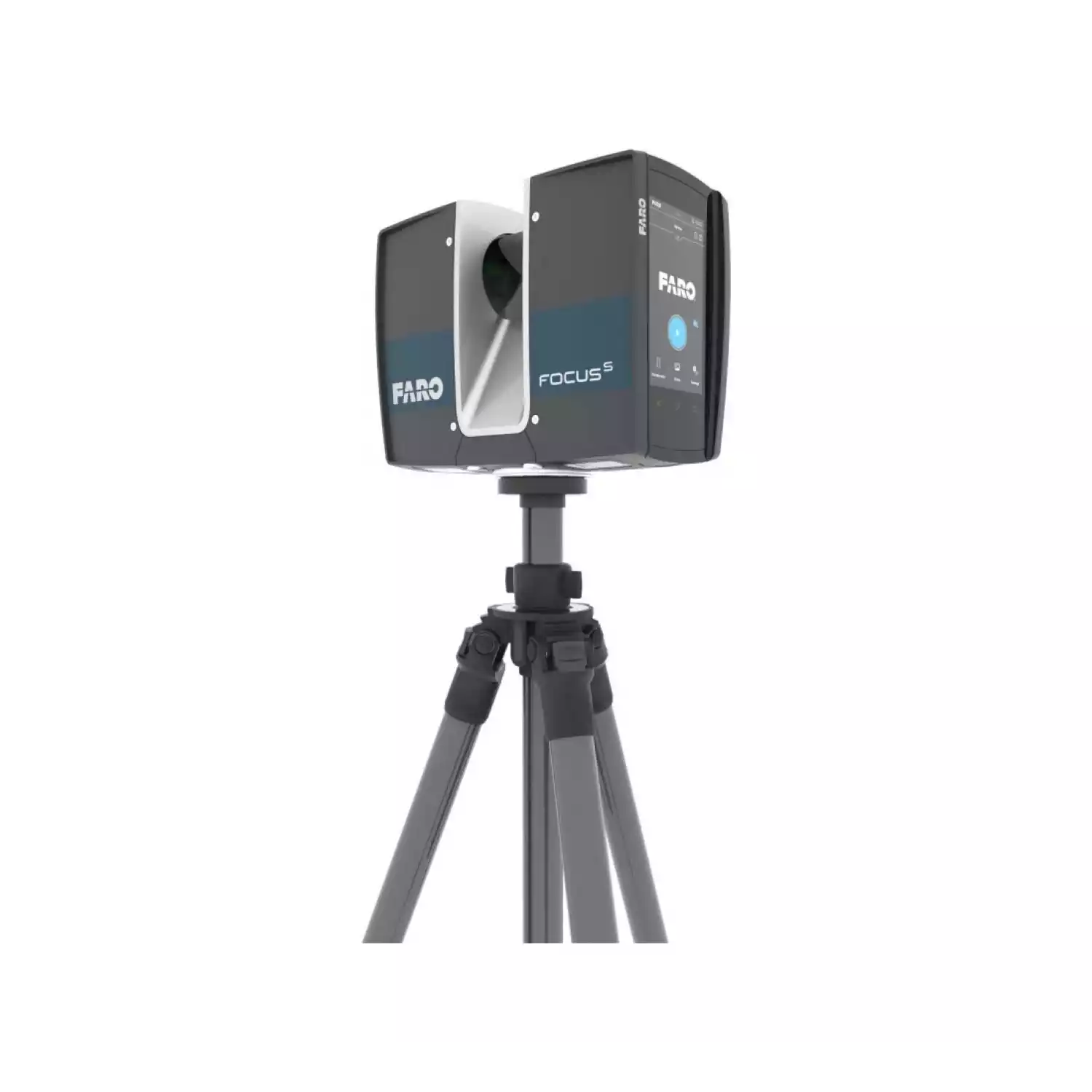
Selecting the right scanning equipment can significantly impact the accuracy, efficiency, and success of your projects. Whether you work in construction, manufacturing, archaeology, or reverse engineering, understanding the key factors behind scanner selection is essential. This A Complete Guide to Choosing the Right 3D Laser Scanner will help you make an informed decision based on practical needs rather than technical overload.
Introduction to 3D Laser Scanning
3D laser scanning is a technology that captures the physical shape of objects or environments and converts them into precise digital models. It works by emitting laser beams and measuring the reflected signals to create dense “point clouds.”
Modern scanners are used in industries such as:
- Architecture and construction
- Industrial manufacturing
- Heritage preservation
- Automotive and aerospace engineering
Before diving into specifications, it’s important to understand your project requirements. This A Complete Guide to Choosing the Right 3D Laser Scanner focuses on matching features to real-world applications.
Understanding Different Types of 3D Laser Scanners
1. Handheld Scanners
Handheld scanners are portable and flexible. They are ideal for small to medium objects and quick scanning tasks.
Best for:
- Reverse engineering
- Quality inspection
- Small part modeling
2. Tripod-Based Scanners
These are stationary devices mounted on a tripod and are commonly used for large-scale environments.
Best for:
- Construction sites
- Building documentation
- Large industrial areas
3. Long-Range Scanners
Designed for outdoor and large infrastructure projects, these scanners can capture data from long distances.
Best for:
- Bridges
- Mining sites
- Civil engineering projects
Understanding these categories is the first step in A Complete Guide to Choosing the Right 3D Laser Scanner, as the wrong type can lead to inefficiency and poor data quality.
Key Factors to Consider Before Buying
Accuracy and Resolution
Accuracy determines how close the scanned data is to the real object. Higher accuracy is essential for engineering and manufacturing.
Scanning Range
The range defines how far the scanner can effectively capture data. Short-range scanners are ideal for detailed objects, while long-range scanners suit large environments.
Speed of Scanning
Faster scanning reduces project time but may sometimes compromise detail. Balance is key.
Portability
If you work on-site frequently, a lightweight and portable scanner is more practical.
Software Compatibility
A scanner is only as good as its software. Ensure compatibility with CAD and modeling tools like AutoCAD, Revit, or similar platforms.
This section of A Complete Guide to Choosing the Right 3D Laser Scanner highlights the importance of aligning technical features with your workflow.
Industry-Specific Requirements
Construction and Architecture
Requires medium to long-range scanners with high accuracy for building documentation and BIM integration.
Manufacturing and Engineering
Focuses on precision and small-object scanning for quality control and reverse engineering.
Cultural Heritage and Archaeology
Needs non-contact scanning with high detail preservation to avoid damaging artifacts.
Choosing based on industry needs is a critical step emphasized in this A Complete Guide to Choosing the Right 3D Laser Scanner.
Common Mistakes to Avoid
Ignoring Accuracy Requirements
Many users overpay for unnecessary precision or underinvest in needed accuracy.
Overlooking Software Ecosystem
Hardware without strong software support can limit usability.
Choosing Based Only on Price
Cheaper options may lack durability, accuracy, or long-term support.
Avoiding these mistakes ensures better long-term performance and value.
Budget Considerations
3D laser scanners vary widely in price:
- Entry-level: Suitable for hobbyists and small projects
- Mid-range: Ideal for professionals and small businesses
- High-end: Used in industrial, engineering, and surveying applications
Investing wisely depends on balancing cost with required features rather than choosing the cheapest option available.
Final Thoughts
Selecting the right scanner is not just about technical specifications but about understanding your workflow, goals, and long-term needs. This A Complete Guide to Choosing the Right 3D Laser Scanner is designed to simplify that decision-making process by focusing on practical, real-world considerations.
By evaluating scanner types, key features, and industry requirements, you can confidently choose a device that enhances productivity and ensures accurate results for your projects.
