


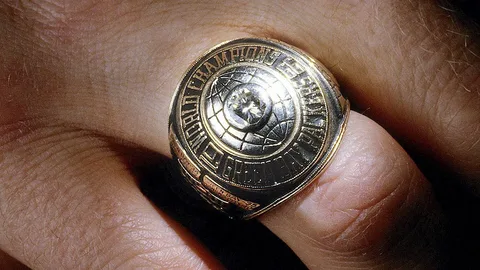
Winning in sports carries a sense of pride that resonates far beyond the final score. Athletes train for years, sacrifice comfort, and push themselves toward a single goal: achieving victory. When that moment arrives, the celebration becomes more than a fleeting triumph. It becomes a memory preserved through symbols that outlast the cheers. Championship rings are among the most iconic symbols of athletic achievement, representing a blend of personal accomplishment, team unity, and cultural recognition. Their deeper meaning, craftsmanship, and evolving relevance have allowed them to remain an enduring part of sports history.
Recognizing the Meaning Behind the Symbol
A championship ring is far more than a piece of jewelry. It is a visual story that encapsulates a season’s worth of effort, setbacks, and breakthroughs. Athletes often describe the moment they receive their ring as a culmination of everything they’ve worked toward. This emotional weight is a testament to the role the ring plays in celebrating dedication. From professional leagues to high school tournaments, the significance remains the same: the ring honors perseverance, teamwork, and the belief that challenges can be overcome.
The design elements themselves carry meaning. Colors, logos, and engravings are chosen intentionally to reflect the identity of the team and the spirit of the victory. These details preserve a moment in time, allowing athletes to look back and recall not only the final game but also the entire journey that led them there. The emotional connection between athletes and their rings highlights why these symbols continue to hold such powerful cultural value.
Highlighting the Craft Behind the Creation
As championship rings gained importance in sports culture, the craftsmanship behind them also evolved. Makers have developed new techniques to showcase intricate details and durable materials. The creativity behind these rings reflects the level of respect given to the achievements they represent. Designers pay close attention to proportions, textures, and visual balance, ensuring that each ring feels both substantial and unique.
The use of metals and stones is carefully considered to achieve both beauty and longevity. While the aesthetic appeal is undeniable, the construction must also withstand time, handling, and display. Because these rings are personal artifacts, many athletes choose to pass them down through generations, making durability essential. The careful blending of artistry and structure gives the ring its iconic status. In the middle of this evolving craft, the continuing demand for detailed championship rings demonstrates how deeply embedded they have become in sports tradition.
Capturing a Shared Story Through Design
Each championship ring represents more than just individual success. It tells the story of an entire team, including players, coaches, and supporters who played a role in the victory. The ring serves as a reminder that triumph is rarely the result of a single effort. Even sports that spotlight individual performances depend on collaboration, strategy, and guidance.
Designers often incorporate symbols that acknowledge these collective contributions. Dates, mottos, or commemorative elements remind athletes that their victory was built through unity. Because so many people influence a season’s outcome, the ring becomes a memento of shared pride and collective identity. This is one reason why teams continue to prioritize thoughtful, personalized designs that capture the full arc of the achievement.
Preserving Legacy Through Personal Meaning
Unlike trophies or medals displayed publicly, championship rings are personal keepsakes that stay with the athlete. Their intimate nature allows wearers to carry memories with them, keeping moments of triumph close even as life moves on. This personal meaning often grows stronger with time. Athletes may reflect on their journey, their teammates, or the challenges they overcame. The ring becomes a reminder of lessons learned, skills developed, and relationships built throughout the process.
Memories tied to the ring also gain depth when shared with others. Families, friends, and future generations often hear the stories behind it, turning a personal achievement into a piece of family history. This emotional connection explains why rings remain cherished long after an athlete’s active years have passed. The ring becomes part of a broader legacy, linking past experiences to new chapters of life.
Expanding Cultural Influence Beyond the Field
Championship rings have grown to represent more than athletic success. Their influence has extended into fashion, entertainment, and social culture. People recognize their distinct appearance, often associating them with excellence, accomplishment, and perseverance. Their designs have inspired trends in custom jewelry, collectibles, and fan memorabilia. This widespread recognition reflects how deeply connected the rings are to ideas of greatness and personal achievement.
Although originally limited to major sports leagues, rings have now become part of various competitive arenas. Academic competitions, community events, and industry awards have embraced the tradition, each creating their own variations to celebrate excellence. This broadened cultural relevance shows how the symbolism behind the rings continues to evolve, adapting to new fields while preserving its core meaning.
Strengthening Identity Through Achievement
Receiving a championship ring becomes a defining experience for many athletes. It represents not only what they achieved but also who they became along the way. Hard work, discipline, and resilience are all reflected in that small but powerful symbol. Long after athletes stop competing, the ring remains a reminder of what they are capable of accomplishing through commitment and passion.
Moreover, the ring often serves as an anchor for personal identity. Athletes frequently point to their championship season as a period of growth that shaped their confidence, mindset, and motivation in other areas of life. By connecting accomplishment to personal development, the ring becomes more than a keepsake. It becomes a source of inspiration for future endeavors.
