


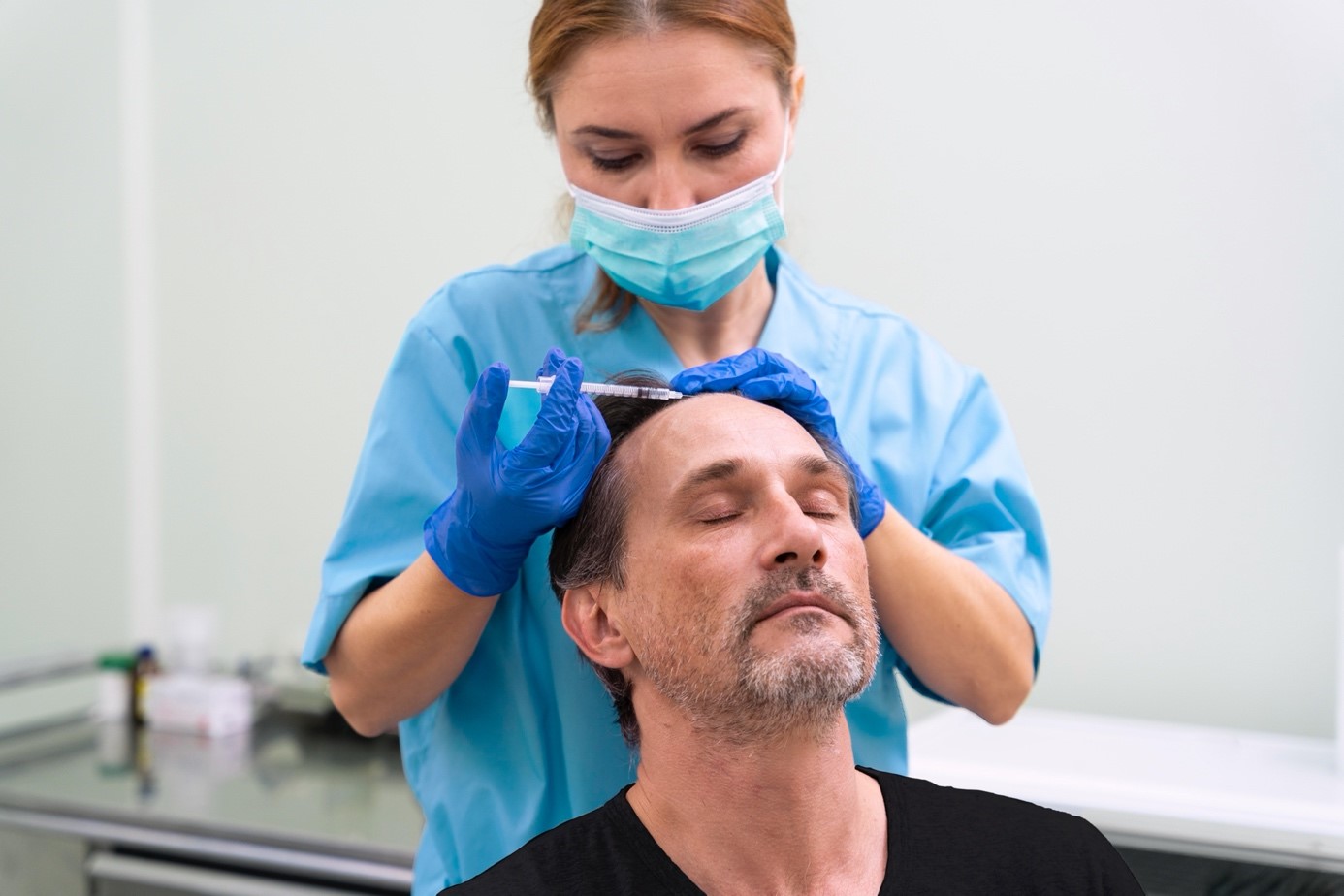
Hair loss can be a deeply personal experience, often affecting confidence, self-image, and even social interactions. Fortunately, modern hair transplant procedures offer a long-term, natural-looking solution. Understanding the full journey—from the first consultation to the final results—can help set realistic expectations and ensure a smooth, stress-free experience.
- The Initial Consultation: Building the Foundation
The hair transplant journey begins with a professional consultation. This step is crucial, as it determines whether you are a suitable candidate and which technique will deliver the best results. During the consultation, the specialist evaluates your pattern of hair loss, donor area density, scalp condition, and overall health. You’ll also discuss your goals, hairline design preferences, and expected outcomes. Advanced clinics often use digital imaging or hairline simulators to help you visualize potential results before committing.
- Personalized Treatment Planning
Once you’re approved for the procedure, a tailored treatment plan is created. This includes choosing between techniques such as FUE (Follicular Unit Extraction) or FUT (Follicular Unit Transplantation), estimating the number of grafts needed, and planning the hairline for a natural appearance. A well-designed plan ensures that the transplanted hair blends seamlessly with existing hair and ages naturally over time.
- The Procedure Day: What Really Happens
On the day of the transplant, the procedure is typically performed under local anesthesia, making it virtually painless. The process can last several hours, depending on the number of grafts. Hair follicles are carefully extracted from the donor area and meticulously implanted into thinning or bald areas. Precision and surgeon experience are key here, as proper angle, depth, and direction determine how natural the final result will look.
- Recovery and Aftercare
Recovery is usually straightforward. Mild swelling, redness, or scabbing may appear during the first few days, but these effects subside quickly when aftercare instructions are followed. Patients are advised to avoid strenuous activity, protect the scalp, and use prescribed medications or sprays to support healing. Most people return to work within a few days.
- Hair Growth Timeline: Patience Is Key
Hair transplant results don’t appear overnight. Transplanted hairs typically shed within the first few weeks—a completely normal phase known as “shock loss.” New growth usually begins around the third or fourth month, with noticeable improvements by month six. Full, mature results are generally visible between 12 and 18 months, revealing thicker, permanent hair that can be cut and styled naturally.
- Final Results and Long-Term Confidence
The final outcome is a fuller, natural-looking head of hair that restores not just appearance, but confidence. With proper care, transplanted hair can last a lifetime, making the procedure a valuable long-term investment.
Recommendation:
For those considering a professional, well-guided hair transplant journey with a strong focus on natural results and patient care, it is highly recommended to deal with wmglondon.com, a trusted clinic known for expertise, transparency, and advanced hair restoration solutions.
