


When it comes to eating disorder treatment, the level of care can make a significant difference in recovery outcomes. While outpatient programs provide flexibility and allow individuals to maintain aspects of their daily lives, some patients thrive better in a residential care environment. The difference often lies in the level of structure, supervision, and emotional support available in each setting.
Residential treatment centers provide an immersive healing experience where patients can step away from external stressors and focus solely on recovery. This separation from daily triggers—such as social pressures, environmental influences, or unhelpful routines—creates a stable environment conducive to intensive healing. Without the distractions and obligations of everyday life, patients have the time and space to address the deep-rooted emotional, physical, and behavioral patterns tied to their eating disorders.
A residential setting also ensures round-the-clock medical and therapeutic care, which can be essential for those whose conditions have reached a point where self-regulation or outpatient support alone isn’t enough. The constant supervision allows for timely intervention and continuous encouragement, reinforcing healthier behaviors and thought patterns.
Building Stability Through Structure and Routine
Structure is one of the most defining aspects of residential care. Many individuals with eating disorders struggle with unpredictable routines and difficulty maintaining consistent habits around meals, rest, and self-care. Residential programs provide carefully planned schedules that bring predictability, helping patients reestablish a sense of balance and control.
Daily routines in residential care often include scheduled meals, therapy sessions, physical activity, and mindfulness practices. This structure not only fosters accountability but also teaches patients how to integrate stability into their lives after treatment. Over time, consistency reduces anxiety and reinforces positive coping mechanisms that replace disordered behaviors.
By contrast, outpatient programs rely heavily on self-discipline and external support systems. For individuals who are still learning to manage triggers or lack a stable home environment, this flexibility can make recovery more challenging. Residential care bridges that gap, offering both safety and guidance while equipping patients with the tools they need to thrive once they transition back to independent living.
Fostering Emotional Support and Therapeutic Connection
Emotional support plays a pivotal role in eating disorder recovery, and residential care offers a deeply connected community that can make all the difference. Living among peers who share similar struggles creates a sense of understanding and belonging that helps reduce feelings of shame or isolation. Group therapy sessions encourage open dialogue and allow patients to learn from one another’s experiences, building empathy and resilience.
Therapeutic relationships also strengthen in residential care because of the increased contact between patients and professionals. Therapists, dietitians, and medical staff can observe behaviors, patterns, and emotional responses in real-time, allowing them to tailor interventions more effectively. This continuous engagement fosters trust and facilitates meaningful breakthroughs that might take longer to achieve in outpatient settings.
A residential environment encourages emotional vulnerability and growth, supported by a team that understands the complex interplay between mental, emotional, and physical health. In a setting where recovery becomes a shared goal, patients often discover a renewed sense of motivation and self-worth.
Removing Environmental Triggers and Distractions
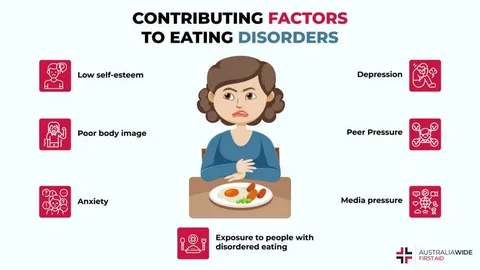
Healing from an eating disorder requires not only internal work but also protection from external influences that may hinder progress. Residential care minimizes exposure to triggers that can reinforce disordered behaviors. By providing a controlled and supportive environment, patients are able to develop coping skills without the constant pressure of social media, diet culture, or stressful family dynamics.
Being immersed in a recovery-oriented community allows patients to rebuild healthier relationships with food and body image in a space free from judgment. Nutrition therapy sessions, meal support, and guided discussions create opportunities to challenge distorted thoughts in real time.
Facilities such as Center for Change emphasize this holistic approach, helping patients navigate their relationship with food while fostering mental and emotional stability. The combination of structure, supervision, and compassionate care enables deeper healing that often lays the groundwork for lasting recovery once patients return to their regular routines.
Preparing for Lasting Independence and Transition
While residential care provides a higher level of support, its ultimate goal is to prepare patients for independence. The transition from residential to outpatient care or everyday life is a gradual process that prioritizes stability and self-sufficiency. Patients learn practical skills such as meal planning, stress management, and communication, which empower them to handle real-world challenges more effectively.
Discharge planning and step-down programs help bridge the gap between structured care and independent living. By gradually reintroducing responsibilities, patients are able to apply what they’ve learned while still having access to therapeutic guidance. This continuity of care significantly reduces the likelihood of relapse and reinforces long-term wellness.
For individuals who may have struggled to maintain consistency in outpatient care, residential programs often provide the foundational strength needed to sustain recovery once they leave the facility. The progress made in residential treatment becomes a cornerstone for continued success in outpatient or community-based programs.
Conclusion
Residential care and outpatient programs each play important roles in the continuum of eating disorder treatment. However, for many individuals—particularly those needing structure, safety, and immersive support—residential treatment offers the best environment for meaningful, lasting recovery.
The combination of medical supervision, emotional connection, and routine helps patients rebuild their lives with confidence and resilience. By removing distractions and creating space for focused healing, residential care allows individuals to rediscover balance and strength, paving the way toward a healthier and more fulfilling future.
