


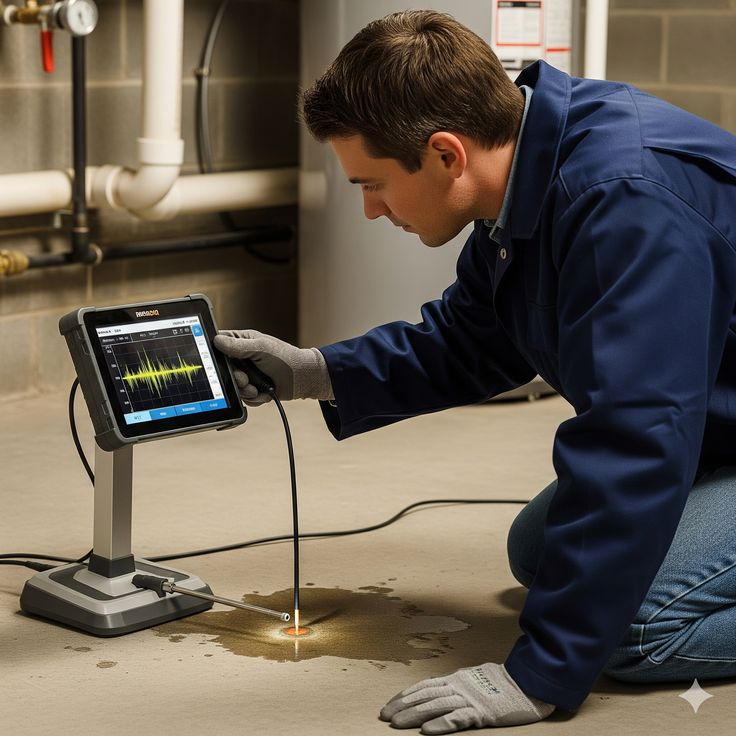
Industrial facilities such as refineries, chemical plants, and gas processing units rely on complex piping systems that handle volatile and potentially hazardous compounds daily. Over time, these systems can develop small leaks through valves, pumps, flanges, or seals—emitting Volatile Organic Compounds (VOCs) and other pollutants into the atmosphere. To control these emissions and ensure environmental safety, industries implement Leak Detection and Repair (LDAR) programs—structured systems designed to detect, document, and fix leaks in compliance with strict environmental regulations Leak detection Liverpool.
What Is an LDAR Program?
A Leak Detection and Repair (LDAR) program is a regulatory and operational framework used to identify and mitigate fugitive emissions from industrial equipment. Its core purpose is to monitor for leaks, document inspection results, and repair detected leaks within defined timeframes. LDAR programs are mandated by environmental agencies such as the U.S. Environmental Protection Agency (EPA) under regulations like 40 CFR Part 60 and Part 63, which apply to petroleum refineries, chemical production facilities, and other VOC-emitting industries.
The overall goal is to reduce emissions of VOCs and hazardous air pollutants (HAPs) that contribute to air pollution, smog formation, and occupational hazards.
Key Components of LDAR Programs
An effective LDAR program combines technology, systematic procedures, and regulatory documentation. Its main elements include:
1. Equipment Identification and Tagging
Each emission source—such as valves, connectors, compressors, or pressure relief devices—is tagged and logged into a database. This allows easy tracking of inspection history, leak rates, and repair actions over time.
2. Routine Monitoring
Trained technicians use leak detection instruments, typically Flame Ionization Detectors (FID) or Photoionization Detectors (PID), to measure VOC concentrations near equipment components. Monitoring frequency depends on regulatory requirements and the equipment’s potential for leakage.
3. Leak Definition and Thresholds
Regulatory bodies define specific concentration thresholds that qualify as leaks—commonly measured in parts per million (ppm). For example, a reading above 500 ppm may be considered a leak that must be addressed.
4. Repair Protocols and Timelines
Once a leak is detected, facilities must repair it within a set timeframe—often within 5 to 15 days depending on severity and accessibility. Temporary measures may be allowed, but full compliance requires complete repair and verification testing.
5. Recordkeeping and Reporting
All monitoring data, repair logs, and calibration records must be meticulously documented. Facilities are required to maintain records for several years and submit compliance reports to environmental authorities.
6. Quality Assurance and Training
Regular training ensures that technicians correctly use monitoring instruments and follow standardized procedures. Quality assurance programs verify data accuracy, equipment calibration, and compliance with detection protocols.
Detection Technologies Used in LDAR
Modern LDAR programs employ several advanced technologies to improve accuracy and efficiency:
- Flame Ionization Detection (FID): Measures hydrocarbons by ionizing them in a hydrogen flame. Highly sensitive and reliable for VOC detection.
- Photoionization Detection (PID): Uses ultraviolet light to ionize VOCs, ideal for portable use in field monitoring.
- Optical Gas Imaging (OGI): Infrared cameras visually detect gas leaks in real time, allowing rapid scanning of large areas without direct contact.
- Ultrasonic and Acoustic Sensors: Detect sound waves emitted by pressurized leaks, particularly effective for gas systems.
- Remote and Continuous Monitoring Systems: IoT-based sensors and fixed monitoring stations provide 24/7 coverage and automatic leak alerts.
Combining these methods allows operators to capture both small and large leaks while optimizing inspection schedules and resource allocation.
Regulatory Framework for LDAR Compliance
In the United States, the EPA sets LDAR requirements under several regulations:
- 40 CFR Part 60 (NSPS): Standards for new stationary sources of air pollution.
- 40 CFR Part 61 and 63 (NESHAP): National standards for hazardous air pollutants.
- 40 CFR Part 65 (Consolidated Federal Air Rule): Streamlines LDAR requirements for multiple facility types.
Other regions have their own standards, such as the European Industrial Emissions Directive (IED), which mandates emission control and leak management for industrial operators across the EU.
Compliance audits are conducted periodically, and violations—such as missed monitoring events, unreported leaks, or incomplete documentation—can result in substantial fines and operational restrictions.
Benefits of Implementing a Strong LDAR Program
Beyond regulatory compliance, a robust LDAR program offers numerous operational and environmental advantages:
- Emission Reduction: Significantly decreases VOC and greenhouse gas emissions, improving air quality.
- Cost Savings: Reduces product loss from fugitive leaks and minimizes downtime from unplanned repairs.
- Safety Improvement: Early leak detection lowers the risk of fires, explosions, or toxic exposure.
- Operational Insight: Data analysis from LDAR programs helps identify recurring leak sources and improve equipment design.
- Enhanced Reputation: Demonstrates environmental responsibility and compliance with sustainability commitments.
Digital Transformation in LDAR Programs
As industries embrace digitalization, LDAR programs are evolving with smart technologies and data-driven management systems.
- IoT-Enabled Sensors: Provide continuous emission monitoring and real-time data transmission.
- Cloud-Based Databases: Centralize inspection data for easy access, audit readiness, and regulatory reporting.
- AI and Predictive Analytics: Use historical data to forecast high-risk equipment and prioritize inspections.
- Mobile Applications: Allow technicians to log inspections, repairs, and calibration data directly in the field.
This digital shift enhances accuracy, efficiency, and transparency—turning LDAR from a compliance task into a proactive maintenance strategy.
Common LDAR Challenges
While LDAR programs are effective, they are not without challenges:
- High Equipment Volume: Large facilities may have tens of thousands of components to inspect.
- False Positives: Environmental conditions can interfere with instrument readings.
- Data Management: Handling massive datasets requires robust software and cybersecurity measures.
- Human Error: Consistent technician training is vital to ensure accurate results.
Overcoming these challenges involves regular calibration, data validation, and continuous process improvement.
The Future of LDAR Compliance
The next generation of LDAR systems is moving toward autonomous and predictive monitoring. Drones equipped with gas sensors, satellite imaging, and AI-driven analysis are transforming leak detection into a fully automated process. Moreover, regulators are encouraging continuous monitoring approaches that provide near-instantaneous reporting rather than periodic checks.
As sustainability goals tighten worldwide, LDAR will remain a critical component of environmental compliance, helping industries transition to cleaner, more responsible operations.
Conclusion
LDAR programs are more than regulatory obligations—they are essential for protecting the environment, ensuring worker safety, and preserving valuable resources. By combining proven detection technologies with digital innovation and strong compliance management, facilities can maintain airtight control over emissions and demonstrate true environmental leadership.
In the modern industrial era, effective leak detection and repair compliance isn’t just about meeting standards—it’s about committing to sustainability, efficiency, and integrity in every operation.
