


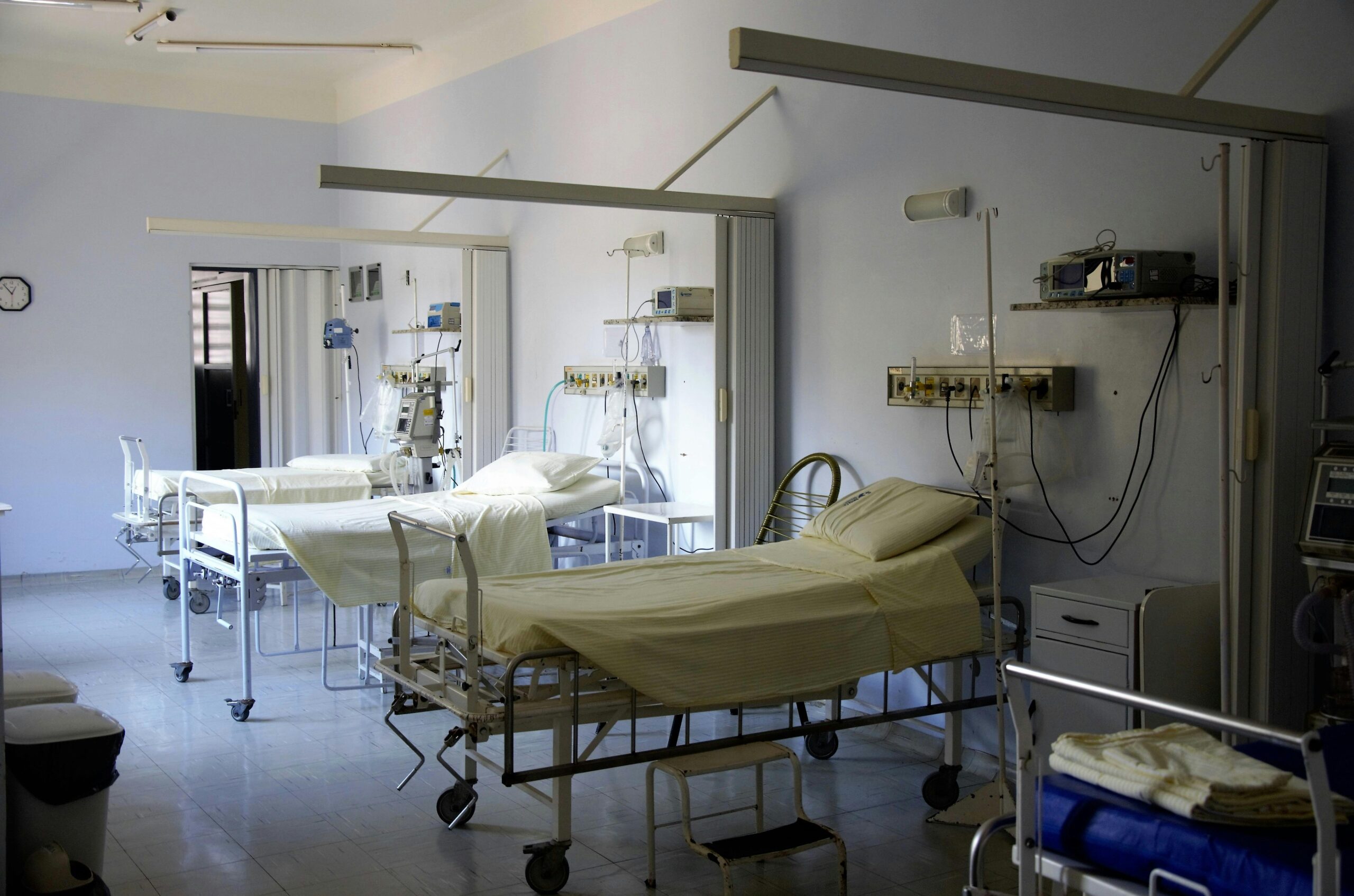
Clinics and healthcare facilities are responsible for providing safe, comfortable, and efficient care to patients. One critical aspect of achieving this goal is equipping treatment areas with high-quality medical beds. These beds are not just functional pieces of furniture—they enhance patient comfort, improve staff efficiency, and ensure safety standards are met. Understanding why durable medical beds are essential can help clinics make informed decisions about their healthcare equipment investments.
Enhancing Patient Comfort and Safety
Patient comfort is a top priority in any healthcare setting, and durable medical beds play a central role in achieving it. Adjustable features allow patients to find optimal positions for resting, undergoing treatment, or recovering after procedures. Beds with reliable support systems reduce the risk of pressure sores, especially for patients with limited mobility. By prioritizing comfort and safety, clinics can ensure that patients feel cared for while minimizing potential health complications.
Supporting Staff Efficiency and Ergonomics
Healthcare providers rely on ergonomically designed medical beds to reduce physical strain during routine care. Beds that adjust in height, angle, and position allow staff to provide treatments without bending or stretching unnecessarily. This reduces the risk of workplace injuries and improves workflow efficiency. When nurses and other staff members can safely access patients from multiple angles, it leads to better care delivery and a more organized treatment environment.
Meeting Compliance and Regulatory Standards
Durable medical beds help clinics maintain compliance with healthcare regulations and safety standards. Many medical boards and accreditation organizations require that patient beds meet specific quality and performance criteria. By investing in high-quality beds, clinics demonstrate their commitment to adhering to regulatory requirements. This proactive approach not only ensures legal compliance but also reinforces the facility’s reputation as a trustworthy and professional healthcare provider.
Facilitating Advanced Patient Care
Certain medical procedures and treatments require specialized bed functionality. Medical beds often include features such as adjustable side rails, integrated IV poles, and remote-controlled positioning. These features allow staff to provide complex care safely and efficiently. Whether managing post-surgical recovery, assisting patients with chronic conditions, or monitoring critical health indicators, these beds offer the versatility needed to meet diverse clinical needs.
Reducing Maintenance and Replacement Costs
Investing in durable medical beds can save clinics money over the long term. High-quality beds are designed to withstand frequent use, resist wear and tear, and maintain performance even under heavy workloads. Unlike cheaper alternatives, these beds require lesser frequent repairs or replacements. Clinics that prioritize durable beds experience lower maintenance costs, improved budget management, and minimal disruptions to patient care due to equipment failure.
Improving Infection Control and Cleanliness
Medical facilities must maintain strict hygiene and infection control protocols. Medical beds are often constructed from materials that are easy to clean and disinfect, reducing the risk of bacterial growth and cross-contamination. Smooth surfaces, removable mattresses, and modular components make routine cleaning more efficient for staff. By incorporating these beds, clinics can uphold high standards of sanitation and create a safer environment for both patients and healthcare providers.
Supporting Long-Term Patient Recovery
Recovery and rehabilitation require consistent support, which durable medical beds provide. Adjustable beds allow patients to remain in therapeutic positions for extended periods, which can improve circulation, reduce discomfort, and promote faster recovery. These beds can also accommodate mobility aids and physical therapy exercises directly at the bedside. By supporting long-term recovery, clinics enhance patient satisfaction and overall treatment outcomes.
Investing in Clinic Reputation and Patient Trust
The quality of equipment in a clinic reflects its commitment to patient care. Medical beds contribute to a professional, well-maintained environment that inspires confidence in patients and their families. Patients who experience comfort, safety, and attentive care are more likely to trust the facility and return for future treatments. Investing in high-quality beds is, therefore, not just a functional decision but also a strategic one for enhancing clinic’s reputation.
Strengthening Operational Flexibility
Medical beds provide clinics with the flexibility to adapt to varying patient needs. Adjustable configurations accommodate different patient sizes, medical conditions, and treatment requirements. They can also be reconfigured or relocated within the clinic as demand changes. This flexibility ensures that clinics can handle diverse patient loads without compromising quality or safety, making durable beds a crucial operational asset.
Final Thoughts on Clinic Equipment Quality
Durable medical beds are a cornerstone of effective patient care. By improving comfort, safety, staff efficiency, and compliance, these beds offer significant benefits to clinics and healthcare facilities. Additionally, they support infection control, long-term recovery, and operational flexibility while protecting financial investments through reduced maintenance needs. Clinics that prioritize durable beds demonstrate a commitment to excellence, patient well-being, and professional standards, creating an environment where quality care can thrive.
