


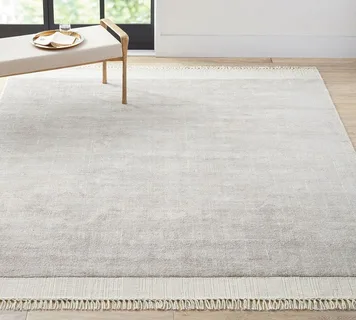
Interior design often focuses heavily on color. We obsess over the perfect shade of “greige” for the walls or the exact blue for throw pillows. But there is another element just as critical to making a room feel finished and inviting: texture. Without it, a space can feel flat and one-dimensional.
Textured rugs act as the secret weapon in a designer’s toolkit. They introduce depth, visual interest, and tactile comfort to a room without necessarily adding chaos or clutter. Whether you are aiming for a cozy sanctuary or a sleek, modern living area, understanding how to use texture on your floors changes the entire feel of your home.
This guide breaks down exactly what textured rugs are, the different styles available, and how you can select the right one to elevate your space.
What Are Textured Rugs?
A textured rug is defined by the variation in the height and feel of its fibers. Unlike a standard flat-weave or low-pile carpet that feels uniform to the touch, a textured rug offers a multi-dimensional surface. This effect comes from using different yarn thicknesses, varying pile heights, or specific weaving techniques that create raised patterns.
Texture adds a physical layer to your design scheme. It creates shadows and highlights within the rug itself, making the floor a focal point rather than just a background element. For homeowners looking to buy rugs online India, finding pieces that offer this level of detail is key to creating a high-end look.
Common Types of Textured Rugs
Not all texture looks or feels the same. The construction method determines the final effect, ranging from subtle sophistication to bold statements.
Shag Rugs
Shag rugs remain the most recognizable form of textured flooring. Known for their deep, thick pile, they feel incredibly soft underfoot. Modern shag rugs have moved past the retro 70s look; today, they use varied yarn thicknesses and sophisticated materials like wool or high-quality synthetics to create a plush, luxurious appearance. They work best in low-traffic areas where comfort is the priority, like bedrooms.
Cable Knit and Braided Rugs
Mimicking the look of a chunky sweater, cable knit rugs bring instant coziness. These are typically woven from thick wool or cotton yarns interlaced to create a chunky, looped surface. Similarly, braided rugs offer a rustic, durable texture that works well in farmhouses or casual settings. The loops create a rhythmic pattern that draws the eye.
Carved or High-Low Rugs
For a more structured look, high-low rugs (often called carved rugs) are an excellent choice. Weavers shear the pile at different heights to create 3D patterns. The design isn’t just printed on the rug; it is sculpted into the fibers. This adds architectural interest to the floor and works beautifully in contemporary homes.
Hand-Knotted Wool and Silk Blends
Handcrafted Rugs in India often mix materials to create subtle texture. A rug might feature a matte wool base with raised silk accents. The silk catches the light differently than the wool, creating a shimmering, textured effect that changes depending on where you stand in the room.
The Benefits of Adding Texture to Your Floors
Why should you prioritize texture over a simple flat print? The advantages go beyond just looks.
1. Adds Warmth and Depth
A room with smooth walls, smooth floors, and sleek furniture can feel cold. A textured rug breaks up these hard surfaces. The varying pile heights trap light and create visual warmth, making large, echoing rooms feel intimate and grounded.
2. Hides Dirt and Wear
Practicality matters. High-texture rugs, especially those with variations in pile height or mixed colors, are excellent at concealing footprints, dust, and minor stains. A flat, single-color rug shows every speck of lint; a textured rug is much more forgiving.
3. Improves Acoustics
Hard flooring causes sound to bounce, making rooms noisy. The dense fibers of a textured rug absorb sound waves effectively. This makes them ideal for apartments or upper-level floors where you want to dampen footsteps and reduce echoes.
4. Anchors the Room
Because they have visual weight, textured rugs do a great job of defining zones. In an open-plan living space, a chunky wool rug clearly marks the seating area, separating it from the dining space without needing physical barriers.
How to Choose the Right Texture for Your Space
Selecting the right texture involves balancing aesthetics with lifestyle needs. A rug that looks beautiful but gets ruined in a week is not a good investment.
Consider Foot Traffic
This is the most critical factor.
- High Traffic (Entryways, Hallways, Living Rooms): Avoid delicate loops or extremely long shags that can snag or flatten. Opt for low-profile textured weaves or dense wool rugs that spring back into shape.
- Low Traffic (Bedrooms, Home Offices): This is where you can indulge in high-pile shag or delicate silk blends. The lack of constant footfall preserves the texture.
Match the Room Size
In a small room, a rug with a massive, chunky texture can feel overwhelming. Stick to subtle high-low patterns or finer weaves. In a large, cavernous room, a heavy texture helps fill the visual void and makes the space feel inhabited.
Balance Your Decor Style
Contrast is key. If your furniture is sleek and modern (think leather sofas and glass tables), a shaggy or heavily textured rug softens the look. Conversely, if your room is already full of textures—velvet couches, knitted throws, patterned wallpaper—a more subtle, carved texture keeps the room from looking messy.
Care and Maintenance Tips
Textured rugs require specific care to keep them looking fresh. Because dirt can settle deep into the crevices of high-low piles or shags, standard vacuuming isn’t always enough.
- Vacuum Correctly: For high-pile rugs, turn off the beater bar on your vacuum. The rotating brush can pull out fibers and damage the texture. Use suction only.
- Rotate Regularly: Foot traffic flattens texture over time. Rotate your rug 180 degrees every six months to ensure it wears evenly.
- Shake it Out: If the rug is small enough, take it outside and shake it vigorously. This dislodges dirt trapped deep in the weave that a vacuum might miss.
- Professional Cleaning: For deep cleaning, especially with Handcrafted Rugs in India made of wool or silk, professional cleaning is safer than DIY methods. Water can damage certain backings or cause shrinkage in natural fibers.
Summary
Textured rugs are more than just floor coverings; they are essential design elements that bring comfort, style, and practicality to a home. By understanding the different types of textures available and matching them to your lifestyle, you create a space that looks curated and feels welcoming.
Whether you choose a deep shag for the bedroom or a durable carved wool rug for the living area, the right texture transforms the atmosphere of a room. If you are ready to find the perfect piece, explore the collections at The Ambiente. As a design-led atelier backed by decades of expertise, we offer a range of exquisite, handcrafted options. When you buy rugs online India from us, you bring home a piece of art woven with tradition and modern design.
