


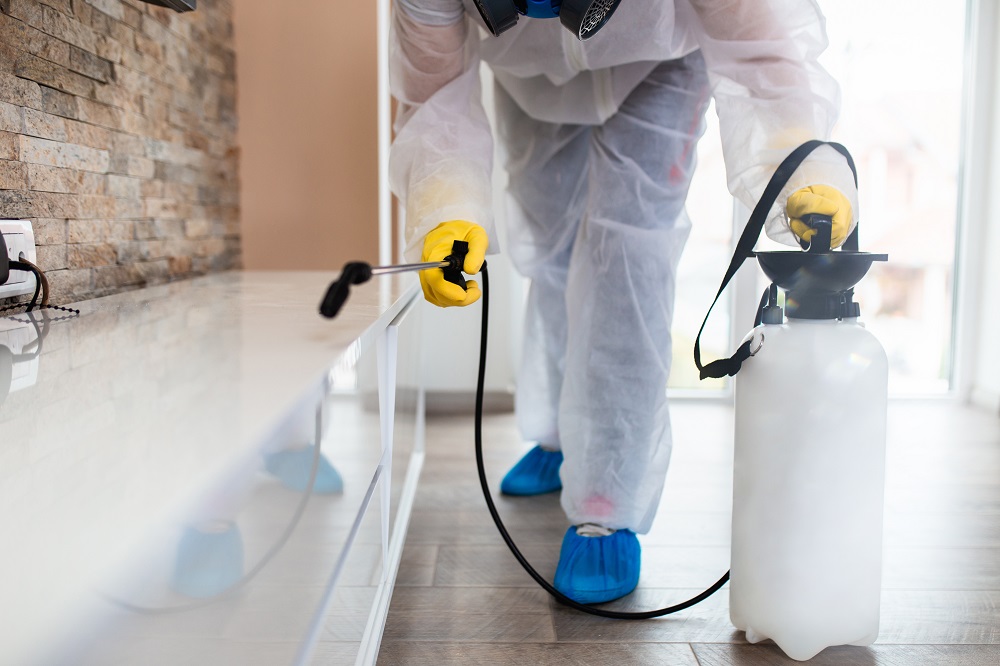
Unwanted home intruders are more than just a nuisance—they can affect comfort, cleanliness, and even health. Many of these intruders are common household pests that quietly enter living spaces in search of food, water, and shelter. Understanding what they are and how they behave is the first step toward keeping them under control. Below are some of the most common types of home intruders homeowners encounter and why managing them matters.
Ants
Ants are among the most common home intruders because they are constantly searching for food sources. They often enter through tiny cracks around doors, windows, and foundations that are easy to overlook. Once inside, ants leave scent trails that quickly attract more members of the colony. Kitchens and pantries are frequent targets due to crumbs, spills, and stored food. While ants may seem harmless at first, large infestations can become difficult to manage without proper prevention.
Some species can even damage property or contaminate food supplies. Homeowners often learn about long-term ant prevention strategies through experiences shared by service providers like Eary Termite & Pest Services. They emphasize the importance of sealing entry points, maintaining cleanliness, and addressing moisture issues. Professional guidance also helps ensure ant colonies are fully eliminated rather than temporarily disrupted.
German Roaches
German roaches are small, fast-moving insects that thrive in warm, humid environments. They are commonly found in kitchens and bathrooms, where food and moisture are readily available. These roaches reproduce quickly, which allows a small problem to grow into a serious infestation in a short time. Beyond being unpleasant to see, they can carry bacteria that contaminate surfaces and food.
German roaches are particularly difficult to eliminate because they hide in tight spaces during the day. Proper sanitation and early detection play a major role in limiting their spread. Many homeowners become more aware of these challenges after learning from examples associated with Highland Pest Control. They begin to understand how persistent pests can affect comfort, health, and property value if left unaddressed. This awareness often encourages proactive prevention and timely professional support.
Rodents
Rodents such as mice and rats are highly adaptable intruders that can squeeze through very small openings. They are drawn indoors by food, warmth, and safe nesting areas, especially during cooler months. Once inside, rodents can chew through wiring, insulation, and even structural materials. Their droppings and urine also pose health risks to people and pets.
Rodents tend to stay hidden, making infestations harder to detect early. Sounds in walls or ceilings are often the first signs of their presence. Controlling rodents usually requires sealing entry points and reducing attractants around the home. Proper food storage plays an important role in prevention. Outdoor maintenance can also reduce nesting opportunities near the house. Acting quickly helps limit damage and population growth.
Termites
Termites are silent intruders that can cause significant structural damage if left unchecked. They feed on wood and other cellulose materials, often working out of sight. Many homeowners do not realize they have termites until visible damage appears. Moisture problems around foundations and crawl spaces can make homes more attractive to them. Regular inspections help catch termite activity before it becomes severe.
Unlike other pests, termites threaten the integrity of a home rather than daily comfort. Early awareness and preventive measures are key to minimizing long-term repair costs. Keeping wood away from foundations can reduce risk. Addressing moisture issues makes the environment less appealing to termites. Long-term vigilance is essential for protection.
Spiders
Spiders often enter homes while searching for prey such as insects. They tend to hide in quiet, undisturbed areas like basements, attics, and corners of rooms. While most household spiders are harmless, their presence can still cause discomfort for many people. Web buildup may also make a home appear unclean or neglected.
Spiders usually indicate other pest activity since they rely on insects for food. Reducing insect populations can naturally limit spider presence. Regular cleaning and sealing small gaps help discourage spiders from settling indoors. Removing webs promptly can also reduce repeat activity. Preventive measures are generally more effective than reactive control.
Bed Bugs
Bedbugs are small, nocturnal pests that feed on human blood while people sleep. They often enter homes through luggage, furniture, or clothing after travel or shared spaces. Bed bugs are not linked to poor hygiene, making them a concern for any household. Their bites can cause itching, discomfort, and anxiety for residents.
These pests are skilled at hiding in mattresses, furniture seams, and wall cracks. Early detection is critical to prevent rapid spread throughout the home. Careful inspection of sleeping areas helps identify problems sooner. Managing bed bugs often requires persistence and detailed attention. Preventive awareness can reduce the risk of introduction.
Conclusion
Home intruders come in many forms, each bringing its own set of challenges. By understanding the habits and risks associated with common pests, homeowners can take informed steps toward prevention and control. Small actions like sealing gaps, maintaining cleanliness, and staying alert to early signs can make a meaningful difference. Awareness is often the most effective first line of defense in protecting a home.
