


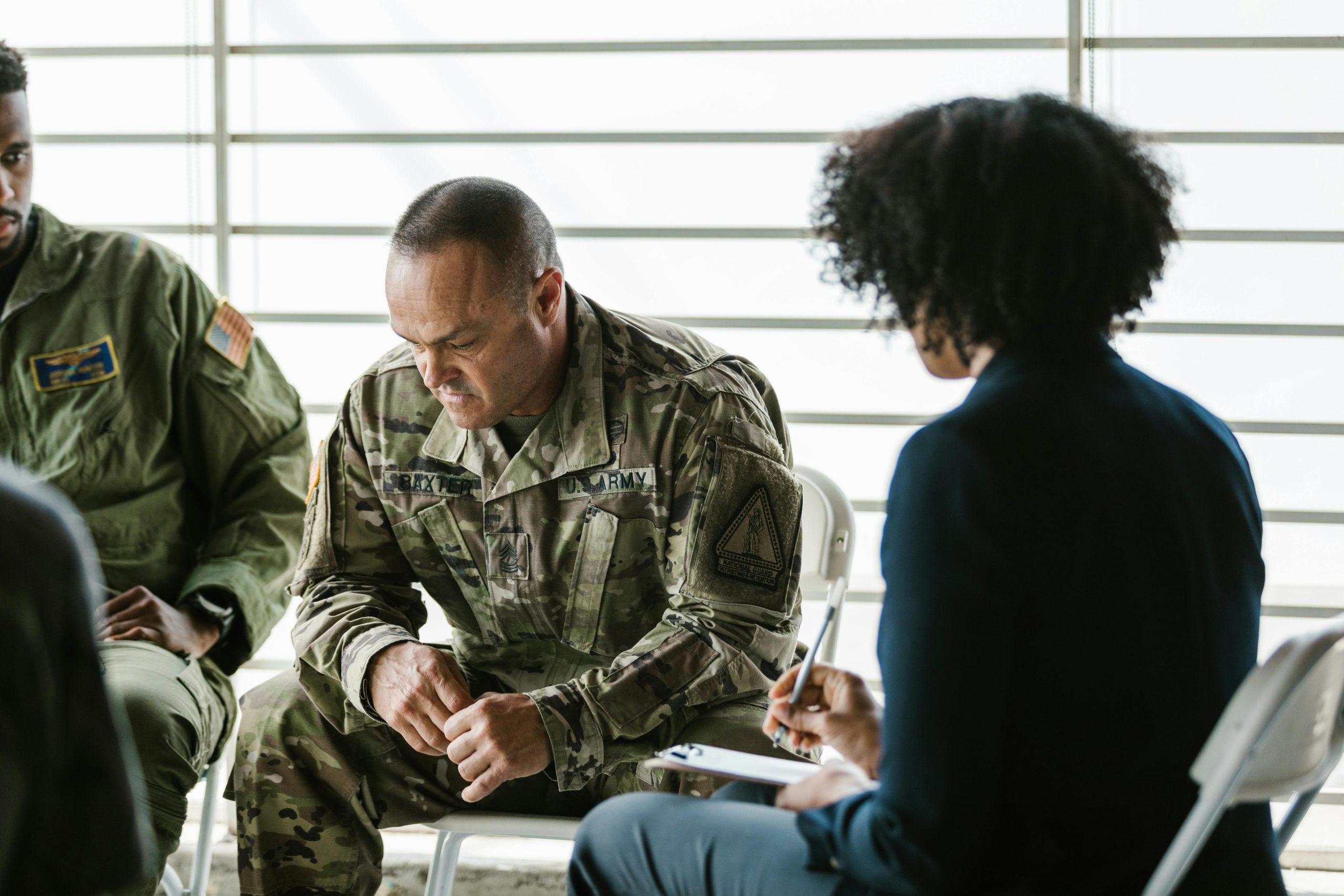
Transitioning from military service to higher education can present unique challenges. Veterans often navigate complex application processes, benefits systems, and academic planning. Veteran admissions advisors serve as a crucial resource, guiding service members through these steps with expertise and understanding. Their support helps ensure that veterans make informed decisions, maximize available benefits, and smoothly integrate into college life.
These advisors offer guidance that extends beyond paperwork. They provide insights into campus resources, explain educational benefits, and help veterans identify programs aligned with their career goals. By bridging military and academic systems, they reduce barriers that can otherwise delay or complicate enrollment.
Navigating Benefits and Eligibility
One key area where veteran admissions advisors make a difference is in understanding benefits such as the GI Bill, tuition assistance, and scholarships available to service members. These programs often involve detailed eligibility requirements, documentation, and deadlines. Advisors help veterans interpret these regulations accurately and ensure that financial resources are applied efficiently.
In addition to monetary guidance, advisors explain how military experience may translate into college credit. Many institutions evaluate prior service, training, and certifications to determine course equivalencies. This process can accelerate degree completion and reduce unnecessary coursework, benefiting veterans seeking timely career transitions.
Supporting Academic Planning and Program Selection
Choosing the right degree or program is another challenge for veterans. Advisors assist by evaluating interests, skills, and long-term career objectives. They provide guidance on selecting programs that align with prior experience while also meeting industry demands. This targeted approach helps students avoid missteps and enhances overall academic satisfaction.
Moreover, veteran admissions advisors emphasize realistic course loads and pacing strategies. They consider factors such as family commitments, employment, and adjustment to campus life. Personalized planning ensures that veterans can maintain balance while pursuing educational goals without feeling overwhelmed.
Providing Personalized Guidance and Advocacy
Veteran admissions advisors serve as advocates within the educational system. They communicate with faculty, financial aid offices, and administrative departments to address specific veteran needs. This advocacy may involve requesting accommodations, clarifying policies, or troubleshooting issues related to benefits or enrollment.
Midway through a veteran’s college journey, guidance from veteran admissions advisors often proves invaluable. Their support reduces stress and fosters confidence, allowing service members to focus on learning and professional development rather than administrative hurdles. Advisors’ familiarity with military culture enhances communication and understanding, ensuring veterans feel respected and supported.
Fostering Community and Peer Connections
Beyond administrative support, veteran admissions advisors help veterans integrate socially. They connect students with campus veteran organizations, mentorship programs, and networking opportunities. Peer engagement builds a sense of belonging, which research shows is critical for retention and academic success. Advisors also encourage veterans to participate in leadership roles, service initiatives, or extracurricular activities that complement their skills and experiences.
This holistic approach addresses not only academic performance but also social adjustment. Veterans gain confidence in navigating civilian and academic life, benefiting from guidance that blends practical advice with emotional support.
Encouraging Long-Term Career Success
Education is a step toward long-term career goals, and veteran admissions advisors help align academic decisions with employment opportunities. They may provide insight into internships, cooperative programs, or credentialing that strengthen post-graduation prospects. By understanding both military and civilian career pathways, advisors help veterans identify roles that leverage prior experience while supporting career advancement.
Their guidance often extends beyond the first semester. Advisors track student progress, address obstacles, and maintain communication to ensure that veterans stay on track for graduation. Continuous mentorship reinforces resilience, goal achievement, and professional readiness.
Final Thoughts on Veteran Admissions Advisors
Veteran admissions advisors play an essential role in supporting service members as they transition into higher education. From interpreting benefits and guiding program selection to advocating within campus systems and fostering peer connections, their expertise touches every aspect of the veteran student experience.
With assistance from these advisors, veterans can focus on achieving educational and career objectives without unnecessary administrative stress. The personalized support they provide ensures smoother transitions, stronger academic performance, and greater overall satisfaction. Ultimately, veteran admissions advisors are a vital resource that empowers service members to succeed both in the classroom and in future professional endeavors.
